

Be first to read the latest tech news, Industry Leader's Insights, and CIO interviews of medium and large enterprises exclusively from Manage Marketing Magazine
A featured contribution from Leadership Perspectives: a curated forum reserved for leaders nominated by our subscribers and vetted by our Manage Marketing Advisory Board.

Elcielo Hospitality Group
Where Identity Meets Experience in American Fine Dining
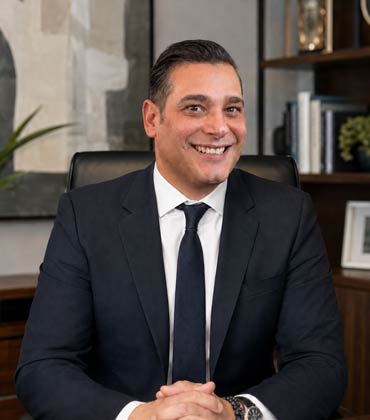
Pedro Mendoza Chadid
Pedro Mendoza Chadid brings a hospitality communications perspective shaped by close engagement with restaurants, culinary concepts and evolving dining experiences. His work focuses on translating culinary identity, guest experience and cultural storytelling into narratives that connect hospitality brands with diverse audiences.
Understanding What Makes a Restaurant Stand Out
Working closely with Elcielo’s Hospitality Group restaurants in Miami, New York, and Washington, D.C., has allowed me to observe which concepts succeed commercially, which ideas capture the public’s attention, and what can transform a good dinner into an experience guests want to repeat and recommend.
My work at Elcielo Hospitality Group, together with frequent visits to Michelin-starred restaurants and dining establishments of every kind, has shown me that American gastronomy is going through an especially interesting period. Avantgarde cuisine, omakase experiences, plant-forward menus and new expressions of national cuisines now coexist with a renewed appreciation for familiar flavors and comforting food.
The cities where we operate offer excellent examples of this transformation. New York has a remarkably diverse dining scene spanning seafood, contemporary French, Italian and Mediterranean cuisine, Korean fine dining, Japanese concepts and plant-based experiences.
Miami reflects its cosmopolitan character through French, Japanese and Latin American cooking, while Washington, D.C., stands out for creative menus and concepts centered on storytelling and guest interaction.
When we examine highly recognized restaurants in these cities, a clear pattern emerges: there is no single winning cuisine. Recognition comes from executing an idea with precision and consistency. Michelin, culinary rankings and food enthusiasts value flawless technique, creativity, consistent quality and a chef’s unmistakable personality.
“The Future Of Hospitality Will Belong To Restaurants That Combine Quality, Identity And Creativity With Warm, Human And Personalized Service.”
At Elcielo, that identity is shaped by the vision of Juan Manuel Barrientos, its executive chef, and the work of Sebastián Moreno, director of the creative workshop. Creativity is not simply about surprising guests. It is about transforming ingredients, memories and cultural elements into something emotionally meaningful to people from different countries.
Creating an Experience beyond the Plate
Industry data support these observations. The National Restaurant Association’s State of the Restaurant Industry 2025 report projected that U.S. restaurant and foodservice sales would reach $1.5 trillion. It also found that 64 percent of full-service restaurant customers consider the dining experience more important than the price of the meal, while 90 percent of fine-dining operators said strengthening on-premises business was more important to their success than increasing off-premises sales.
These figures confirm something I see every day: people do not pay only to be fed. They pay to celebrate, discover something new, connect with a story and feel genuinely cared for. Warm, sincere service that anticipates guests’ needs without becoming intrusive can be just as important as technical precision. Remembering a preference, adapting a preparation or recognizing a special occasion can shape how guests remember a restaurant.
The Role of Local Ingredients and Cultural Identity
Another important trend is the thoughtful use of local ingredients. The National Restaurant Association identified sustainability and local sourcing as the leading overall trend in its 2025 culinary forecast. Korean and Vietnamese cuisines also ranked prominently, reflecting growing interest in international flavors and experiences that are difficult to recreate at home.
This creates opportunities for national cuisines entering the finedining world with distinctive voices. Diners want authentic flavors, but they also expect technique, creativity and a contemporary presentation.
For Colombia, this represents an enormous opportunity. Our ingredients, regions and culinary traditions can engage with international standards without losing their identity. An experience rooted in Colombian culture can connect with consumers from entirely different backgrounds when it communicates through an emotional language and delivers a high standard of service.
Evolving Tastes and Dining Formats
Plant-forward cuisine also continues to grow, with consumers showing interest in recognizable whole ingredients rather than highly processed substitutes. According to the Plant Based Foods Association, 48 percent of American restaurants feature plant-based foods on their menus. Meanwhile, omakase experiences and tasting menus remain attractive because they allow chefs to present a carefully controlled narrative.
Their success, however, depends on more than serving a sequence of dishes. A successful tasting menu requires rhythm, contrast, emotion and a duration that matches the experience being promised.
The diversity of a restaurant’s clientele can also reveal the reach of a concept. Elcielo Miami, for example, has developed a loyal Chinese clientele and considerable visibility among international visitors. This demonstrates how a concept rooted in Colombian identity can resonate across cultures.
Reimagining Familiar Flavors
Personally, I have a particular fondness for comfort food. I am drawn to dishes that awaken memories and create an immediate sense of well-being. That preference is not at odds with fine dining. One of today’s most interesting trends is the reinterpretation of familiar flavors through contemporary techniques.
The National Restaurant Association’s 2026 culinary forecast similarly highlights nostalgia, comfort and classic dishes reimagined through global influences.
After working with the Elcielo restaurants in Miami, New York and Washington, D.C. and visiting Michelinstarred, independent, traditional and emerging restaurants, I have reached a simple conclusion. The future of hospitality will belong to restaurants that combine quality, identity and creativity with warm, human and personalized service.
Excellence can be found both in the precise cooking of an ingredient and in a restaurant’s ability to make every guest feel truly special.
The articles from these contributors are based on their personal expertise and viewpoints, and do not necessarily reflect the opinions of their employers or affiliated organizations.
