

Be first to read the latest tech news, Industry Leader's Insights, and CIO interviews of medium and large enterprises exclusively from Manage Marketing Magazine
A featured contribution from Leadership Perspectives: a curated forum reserved for leaders nominated by our subscribers and vetted by our Manage Marketing Advisory Board.

Brazos Residential Management
The Best Sales Pitch I Never Heard
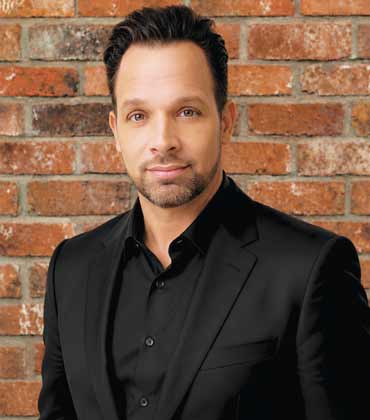
Randy Underhill
Technology has never been the problem. Forgetting how to make people feel seen is. Ironically, AI may be the very thing that helps us find our way back. If you've spent any time in business, whether you sell apartments, software, insurance, healthcare, or coffee, you've probably sat through this meeting.
Sales are down. Occupancy's slipping. Conversions are soft. Someone pulls up a dashboard with enough graphs to make NASA jealous, and within thirty seconds someone says the phrase we've all come to know: “We need more leads."
Of course we do.
Let's increase PPC. Buy another ILS. Launch another campaign. Redesign the website...again. Before the meeting ends, somebody's liable to suggest sacrificing a goat to the Google algorithm because clearly that's what's missing.
Don't laugh. You've been in that meeting. Now, before the marketers start drafting strongly worded emails, hear me out.
I love marketing. I've built my career around it. Marketing matters. Brand matters. Data matters. AI matters. But somewhere along the way, we've asked marketing to fix experiences it didn't create. That's like spraying cologne on someone who hasn't showered in three days. You might smell better, but you haven't solved the problem.
I was reminded of that while training a new leasing consultant. Truthfully, I wasn't feeling it.
You know those mornings when your coffee isn't working, your inbox already hates you, and your patience decided to work remotely? That was me.
So I took the lazy route. I said, "Forget the script. Just treat me like you'd treat a friend." I expected fifteen minutes of pretending to tour an apartment so we could both check the training box and move on.
Instead, they disappeared. A minute later they returned with a cup of coffee, slid it across the table, smiled, and said, "I have a feeling this is going to help more than seeing another apartment. Honestly, they're all kind of the same anyway. Let's just talk."
Game over. Not because of the coffee. Let's be honest, it wasn't very good. It was because, in thirty seconds, they did something I think we've forgotten how to do in business
They saw me. Not a prospect. Not a trainer. Not another item on today's schedule. Me. They noticed I was exhausted. They realized I wasn't mentally present. They read the room and understood I needed a conversation before I needed a tour.
So that's what they gave me. We sat in the resident lounge, joked around, and talked. They teased me about looking like I hadn't slept. They asked questions that felt genuine.
Somewhere along the way, I stopped evaluating them. I started trusting them. When I walked back to my office, I looked at the clock and laughed. There is absolutely no way we were in there that long. We were.
Far longer than any leasing trainer would recommend and probably much longer than any manager would want. And you know what? Who cares. Because they sold me.
Not an apartment. Not stainless-steel appliances or granite countertops. They sold me on them. I'm naturally skeptical. I can spot a sales pitch a mile away and usually avoid it.
“People Don't Want To Feel Like Another Lead In Your Crm. They Want To Feel Like Someone Was Genuinely Glad They Walked Through The Door. Turns Out. That's Still The Best Marketing Strategy I've Ever Seen.”
I never saw this one coming. Why? Because they never tried to sell me. They tried to understand me. They met me exactly where I was that morning. They weren't studying the floor plan. They were studying the person.
Later that day it hit me. We've been measuring the wrong return.
Business has spent decades talking about ROI, Return on Ad Spend, Return on Assets. We have acronyms for everything.
Here's the one I think we've forgotten: “Return on You”. When someone leaves an interaction with your company, do they trust you more? Did they feel understood? Would they recommend you to a friend? Would they choose you again even if someone else was cheaper?
Because that's a return no dashboard has ever fully measured. Yet it's the one every great company quietly compounds.
Here's the irony. We've built billion-dollar technology stacks to avoid five-minute conversations, and somewhere along the way we became incredibly efficient at making people feel inefficiently cared for. That's not a technology problem. It's a leadership problem. A culture problem. A human problem.
Which is exactly why I get excited about AI. Not because I think AI should replace people. Because I think it should replace everything that's been keeping people from acting like people.
Let AI answer the same question for the 487th time. Let it schedule the tour, chase paperwork, send reminders, and handle repetitive tasks that steal hours from your team's day.
Not so we need fewer people. So the people we already have can spend more time doing the one thing technology will probably never master: Making another human feel seen. Whether you're leasing apartments, selling software, running a hospital, leading a bank, or managing a restaurant, people rarely remember the best product they ever bought. They remember the person who made buying it feel right. Marketing gets the introduction. Brand earns the first click. Trust earns the signature. People earn the second click. Maybe that's why I don't think the future belongs to the companies with the biggest marketing budgets or the flashiest AI.
I think it belongs to the companies that use technology to create more human connection, not less. The ones that understand something we've somehow made far more complicated than it needs to be.
People don't want to feel like another lead in your CRM. They want to feel like someone was genuinely glad they walked through the door. Turns out. That's still the best marketing strategy I've ever seen.
So before you buy another goat for the Google algorithm, remember that sometimes the greatest Return on You starts with nothing more than a mediocre cup of coffee.
The articles from these contributors are based on their personal expertise and viewpoints, and do not necessarily reflect the opinions of their employers or affiliated organizations.
