

Be first to read the latest tech news, Industry Leader's Insights, and CIO interviews of medium and large enterprises exclusively from Manage Marketing Magazine
A featured contribution from Leadership Perspectives: a curated forum reserved for leaders nominated by our subscribers and vetted by our Manage Marketing Advisory Board.

V&E Hospitality Group
Turning Brands into Business Assets
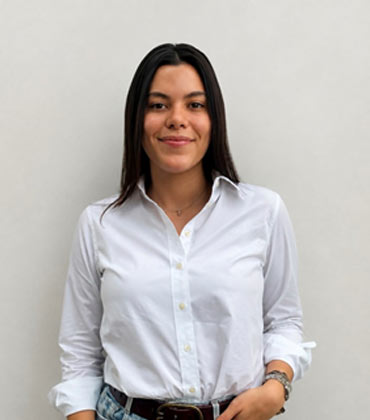
Valentina Troncone
Building Brands that Drive Growth
I've spent the last five years in hospitality marketing, currently as Senior Brand Marketing Manager for Vida & Estilo Hospitality Group, working across brands including Cortadito Coffee House, Salty Flame, Café Americano and News Café, before that, with the franchising of Crema Gourmet.
The project that most changed how I think about branding was Cortadito's rebrand: moving it from a straightforward Cuban coffee shop into a more modern, Miami-Latin coffee brand. That shift didn't just change the look; it changed who we were talking to. Our target audience and customer avatar evolved, which gave us room to raise our price point and gave us a brand concept flexible enough to replicate outside Florida. That's when it clicked for me: a strong brand isn't just an identity system, it's a strategic asset that sets your ceiling on pricing, audience and growth.
Balancing Brand Strategy with Customer Experience
When I build a campaign, I start with the consumer, what's missing from their experience or how it could be better. I'm also constantly tracking the competition, both geographically and conceptually and checking the idea against operations: a campaign only works if the team can execute it without hurting wait times or service quality.
Cortadito's cold foam launch is a good example. Gen Z customers are genuinely vocal about cold foam, so the demand was already there, but we built it carefully. We didn't want a specialty add-on to slow down the line, we wanted to be more health-conscious about what went into it and above all, we wanted to give customers a real way to customize their daily coffee. That's the balance I look for: a campaign has to feel true to the brand, but it also has to survive contact with an actual coffee counter on a busy morning.
Balancing Creativity with Business Strategy
I think about creativity through the lens of PESO, paid, earned, shared and owned media because a genuinely creative idea should earn attention on its own, not just rely on ad spend. Creativity still has to answer to the numbers, so I lean on AI tools for the market intelligence that helps me make smarter, faster decisions.
A good example is a World Cup activation we did with Café Americano: we worked with the chefs on menu engineering built around the tournament, a European combo with fish and chips, an American combo with beer and wings so the creative concept was directly tied to what the kitchen could execute well. That's the discipline: let the idea be fun and culturally relevant, but never let it outrun what the operation can deliver.
Preparing Brands for the Future of Hospitality
AI is one of the biggest trends I'm watching, though how a marketer uses it makes all the difference between a hit and a miss. I don't use it to generate my ideas, I use it as a resource for smarter decisions, especially with analytics and making sense of data quickly.
"A strong brand isn't just an identity system, it's a strategic asset that sets your ceiling on pricing, audience and growth."
On the consumer side, health-consciousness is a trend I see only growing, at least here in Miami and South Florida, people are increasingly aware of what they're putting into their bodies and I think that will keep shaping hospitality here for a long time.
The biggest challenge I'm wrestling with right now is replication: Cortadito's core identity is essentially Miami itself and figuring out how to take that brand into new cities while still making it feel authentically Miami is genuinely hard. It's less about copying a menu or a logo and more about translating a feeling.
Building a Career Beyond Marketing
My advice: always look at the concept from the consumer's level first, then work backward to figure out how marketing can make that experience better. So much of hospitality lives in operations, but reputation and brand identity are where a marketer can genuinely shape the guest experience.
Something I wish someone had told me earlier: being a marketing manager in this industry means wearing a lot of hats, sometimes acting as an operator, because marketing serves operations and operations serves the guest. As for scaling, the habit that let me go from managing one brand closely to overseeing several in five years was learning to let go of knowing everything about every brand myself and instead trusting the supporting teams, tech, catering, sales to run like a well-oiled machine.
The articles from these contributors are based on their personal expertise and viewpoints, and do not necessarily reflect the opinions of their employers or affiliated organizations.
