

Be first to read the latest tech news, Industry Leader's Insights, and CIO interviews of medium and large enterprises exclusively from Manage Marketing Magazine
A featured contribution from Leadership Perspectives: a curated forum reserved for leaders nominated by our subscribers and vetted by our Manage Marketing Advisory Board.

Daniel Boulud's The Dinex Group
From Experience to Memories: Rethinking Hospitality Marketing
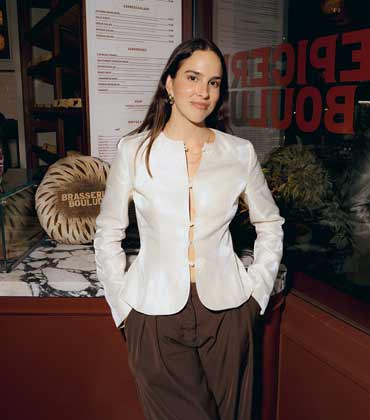
Valeria Gimeno
Hospitality is about creating experiences. Whether you are staying at a hotel during a vacation or booking a restaurant to catch up with friends you have not seen in months, those moments will never happen in exactly the same way again. You can return to the same restaurant ten times, but the people, the setting, the food, the conversation, and even the timing will be different. Each visit ultimately becomes its own memory and its own story.
That understanding has shaped the way I approach marketing and brand storytelling. Of course, the food is incredibly important, but I believe a dish becomes even more memorable when it is connected to an experience and to how a place made you feel. When someone thinks back on an evening at a restaurant, I want them to remember more than what was on their plate. I want them to remember the atmosphere, the people they were with, the service, the details, and the feeling of being there.
Working across Daniel Boulud’s restaurants has made this particularly interesting because every concept has its own identity and story. My job is to understand what makes each one distinctive and translate that into marketing. At Le Gratin, for example, we lean into its French identity through the language, Executive Chef Jules Recoquillon’s personality and unmistakably French accent, the bistro-inspired interiors, the conviviality of the dining room, and Daniel’s Lyonnais roots.
This way of thinking is what led me to develop the idea of Experiential Hospitality, an approach to marketing that looks beyond what a restaurant serves and considers the complete experience surrounding it.
“I believe great hospitality marketing should do: turn a brand into an experience, and an experience into a memory someone will cherish.”
For me, this begins with three principles: authenticity, truth, and warmth. Guest expectations are constantly evolving, but that does not mean a brand needs to change who it is to appeal to everyone. What can evolve is how we communicate that identity. I want what guests see through our marketing to be as close as possible to what they experience when they walk through the doors. We do not need to exaggerate or oversell. Hospitality should feel genuine, and no matter how technology or consumer expectations evolve, the human element should never disappear.
Interestingly, technology is also giving us new ways to make hospitality more personal. CRM tools allow us to better understand guest preferences and communicate with greater intention. If we are organizing a truffle dinner, for example, we can identify guests who have ordered truffle dishes or shown interest in similar experiences and communicate directly with them. Technology gives us the information, but what we do with it creates the hospitality.
Social media has transformed this relationship even further. I see a restaurant’s Instagram almost as its digital storefront and menu. It is often one of the first places people look before deciding where to dine, and they may return to it on the day of their reservation to decide what they want to order. Platforms like Beli have added another layer, where guests are not only asking whether a restaurant is good, but what they should experience once they are there. The relationship with a restaurant no longer begins when someone walks through the door or ends when they leave.
In a city like New York, where guests have an extraordinary amount of choice, creating that connection is increasingly important. Restaurants open constantly, trends move quickly, and today’s most talked-about opening can soon compete with the next new concept. That has taught me the importance of balancing relevance with authenticity. I believe in being creative, taking risks, and being a propulsor of new ideas. Not every rule needs to be followed. Sometimes doing something differently is exactly what makes people pay attention.
For anyone building a career in hospitality marketing, I would say: stay curious. Go out for dinner, visit the competition, observe what people are doing, and ask why it works. Get to know your guests, embrace personalization, but never forget that hospitality is a people business. Say hello, be kind, remember someone’s name. The smallest details can have the greatest impact.
Most importantly, love what you do. You can feel when you walk into a restaurant, bar, or café that there was intention and love behind it. As marketers, we have to understand and feel that passion ourselves before we can communicate it authentically to someone else. Ultimately, that is what I believe great hospitality marketing should do: turn a brand into an experience, and an experience into a memory someone will cherish.
The articles from these contributors are based on their personal expertise and viewpoints, and do not necessarily reflect the opinions of their employers or affiliated organizations.
